Making Sense of Sensory Processing: A Parent's Guide to Sensory Differences in Autism
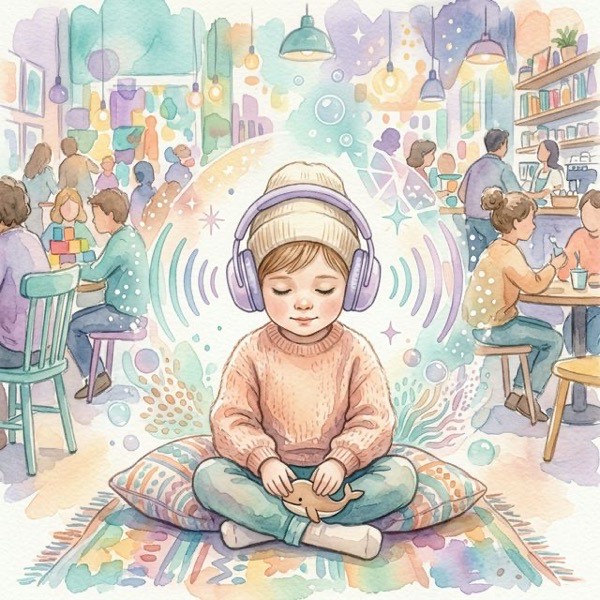
Your child covers their ears in the supermarket. They gag at certain food textures. They seek out deep pressure by squeezing into tight spaces. They do not seem to notice when they are freezing cold. They are fascinated by spinning objects. They cannot tolerate the seam on their socks.
If any of this is familiar, you are living with sensory processing differences, and you are far from alone. Sensory features are now recognised as a core characteristic of autism, included in the diagnostic criteria since 2013 (DSM-5), and they affect over 90 percent of autistic individuals (1).
What Is Sensory Processing?
Sensory processing is the way the nervous system receives, organises, and responds to sensory information. We all process sensory input constantly, but most people do so without conscious effort. For autistic children, this system works differently, and the result can be a world that feels too loud, too bright, too rough, too unpredictable, or sometimes not stimulating enough.
There are more than the “five senses” typically taught in schools. Beyond sight, hearing, touch, taste, and smell, there are also:
- Vestibular sense (balance and spatial orientation)
- Proprioception (body position and movement)
- Interoception (internal body signals such as hunger, temperature, pain, and bladder fullness)
Differences in any or all of these can affect daily life profoundly.
The Three Main Patterns
Sensory processing differences broadly fall into three patterns, and most autistic children show a mix:
Hypersensitivity (Over-responsiveness)
The nervous system responds too strongly to sensory input. Everyday sounds, textures, lights, or smells that others barely notice can feel painful, overwhelming, or intolerable.
Common examples:
- Distress in noisy environments (school halls, restaurants, hand dryers)
- Refusal of certain clothing due to texture, tags, or seams
- Gagging or vomiting at certain food textures
- Discomfort under fluorescent lighting
- Covering ears at sounds others do not find loud
Hyposensitivity (Under-responsiveness)
The nervous system does not register sensory input strongly enough. The child may seem unaware of stimuli that others find obvious.
Common examples:
- Not noticing temperature extremes
- High pain tolerance (or apparently not feeling pain)
- Seeming not to hear when spoken to (despite normal hearing tests)
- Craving strong flavours (very spicy, very salty)
- Not noticing food on their face
Sensory Seeking
The child actively seeks out specific sensory experiences, often intensely. This is distinct from hyposensitivity, though they often co-occur.
Common examples:
- Spinning, rocking, or jumping repeatedly
- Pressing against people or objects for deep pressure
- Staring at lights or spinning objects
- Mouthing or chewing non-food items
- Seeking out strong smells
The Impact on Daily Life
Sensory differences are not quirky preferences. They directly affect:
Eating. Sensory-based food selectivity is the most common reason autistic children eat a restricted diet. It is not fussiness. Certain textures genuinely trigger a gag reflex or a feeling that is deeply unpleasant (2).
Sleep. Sensitivity to light, sound, temperature, or the feel of bedding can make falling asleep extremely difficult. This is one of the under-recognised contributors to the very high rates of sleep problems in autism.
School. A child who is spending all their energy managing sensory overload in a busy classroom has less capacity for learning, social interaction, or emotional regulation. Sensory overload is one of the most common triggers for meltdowns at school.
Personal care. Teeth brushing, hair washing, nail cutting, and wearing certain clothes can all be genuinely distressing. This is not a battle of wills.
Social participation. Many social environments (parties, playgrounds, shopping centres) are sensory nightmares for hypersensitive children. Avoidance of these settings is self-protective, not antisocial.
What Helps
Environmental Modifications
The single most effective intervention is often the simplest: change the environment, not the child.
- Noise-cancelling headphones or ear defenders for noisy settings
- Sunglasses or hats for bright environments
- Seamless socks and soft clothing (cutting out tags is free and immediate)
- A quiet, low-stimulation retreat space at home and, ideally, at school
- Warning before sensory events (the hand dryer will be loud, I am going to turn the light on)
Sensory Diets
The term “sensory diet” (coined by Patricia Wilbarger) refers to a personalised plan of sensory activities throughout the day designed to help a child maintain an optimal level of arousal. This might include regular movement breaks, access to fidget tools, deep pressure activities (such as a weighted blanket or firm cushion), or specific alerting activities in the morning (3).
These are best designed by an occupational therapist who understands sensory processing, but some general principles can be applied at home:
- Active movement before tasks that require sitting still
- Deep pressure (firm hugs, heavy blankets, tight clothing) for calming
- A calm-down toolkit available at all times (chew toys, putty, a heavy lap pad)
Graded Exposure
For specific sensory aversions that significantly limit life (such as inability to tolerate teeth brushing or hair cutting), gentle, gradual exposure can help. This should be child-paced and never forced. For example, a child who cannot tolerate having their hair washed might begin by tolerating water on their hands, then forearms, then shoulders, over multiple sessions, with praise and rewards at each step (4).
Occupational Therapy
A referral to an occupational therapist (OT) with expertise in sensory processing is valuable. They can conduct a detailed sensory profile (often using standardised tools like the Sensory Profile 2 by Winnie Dunn), identify specific patterns, and design interventions tailored to your child.
Access to OT through the NHS can involve long waits, but your child’s paediatrician or school SENCO can make a referral.
What to Avoid
- Forcing sensory tolerance. Making a child endure something that overwhelms them does not build resilience. It builds trauma and erodes trust.
- Punishing sensory-seeking behaviour. Stimming and sensory seeking are regulatory. Suppressing them without providing alternatives increases distress.
- Assuming “they’ll grow out of it.” Sensory profiles are relatively stable, though coping strategies improve with maturity and support.
- Ignoring interoception. If your child does not seem to feel pain, hunger, or temperature, they need external scaffolding (reminders to eat, appropriate clothing regardless of what they say they want).
When to Seek Help
If sensory differences are significantly affecting your child’s ability to eat, sleep, learn, or participate in daily activities, ask your paediatrician for a referral to occupational therapy. If your child is in pain or distress from sensory experiences that cannot be modified environmentally, this warrants clinical attention.
References
- Ben-Sasson A, et al. A meta-analysis of sensory modulation symptoms in individuals with autism spectrum disorders. Journal of Autism and Developmental Disorders. 2009;39(1):1-11.
- Cermak SA, Curtin C, Bandini LG. Food selectivity and sensory sensitivity in children with autism spectrum disorders. Journal of the American Dietetic Association. 2010;110(2):238-246.
- Wilbarger P. The sensory diet: activity programs based on sensory processing theory. Sensory Integration Special Interest Section Newsletter. 1995;18(2):1-4.
- Schaaf RC, et al. An intervention for sensory difficulties in children with autism: a randomized trial. Journal of Autism and Developmental Disorders. 2014;44(7):1493-1506.