Why Does My Autistic Child Always Have Stomach Problems? A Genetic Contributing Factor
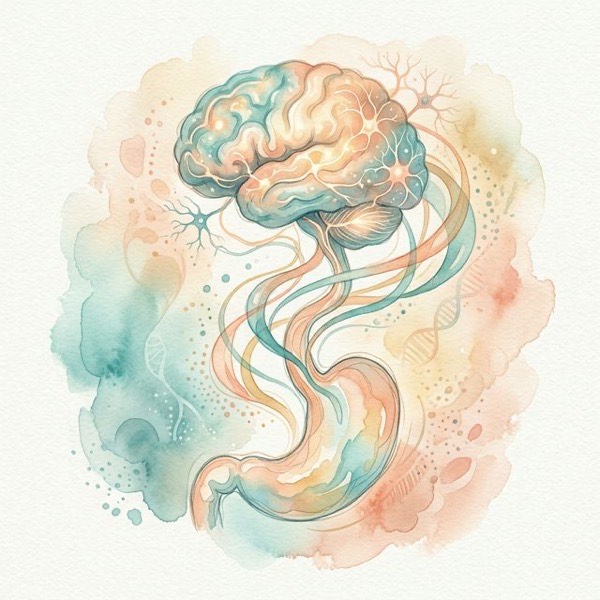
Digestive system problems are more common in children with autism, and there are many potential reasons for this. Sensory-driven food restriction may play a role. Medication side effects can contribute. Stress and anxiety can affect gut motility. The gut microbiome differs in autistic individuals in ways that are still being understood.
A 2026 multitissue analysis now adds another piece to this picture: one contributing factor may be genetic.
What the study found
Researchers integrated genome-wide association study (GWAS) summary statistics, the data that tells us which common genetic variants are associated with autism, with gene expression data from approximately 50 different tissues throughout the body.
GWAS studies identify common variants: small genetic changes that individually have tiny effects but collectively may contribute to autism risk. Most autism GWAS research has focused on what these variants do in the brain. This study asked a different question: where else in the body are autism-associated variants active?
The key findings:
Brain regions were enriched (meaning that autism-associated variants were more active there than expected by chance) for both rare and common autism variants. This was expected, as the brain is where autism’s neurodevelopmental effects are most apparent.
The digestive system was significantly enriched for common autism variants. This was new.
The immune system was also significantly enriched for common variants. This was also new.
Critically, the peripheral tissues (gut, immune) were enriched primarily for common variants, the type identified by GWAS, rather than the rare, high-impact variants typically found through exome or genome sequencing.
This distinction matters. It suggests that the genetic programme linking autism to gut and immune differences is not driven by rare mutations in individual families. It appears to be a population-level signal, carried by the same common variants that may contribute to autism risk across the general population.
What this may mean
The same genetic variants that are associated with increased autism risk also appear to influence how the digestive system and immune system develop and function.
If confirmed by further research, this would suggest that GI symptoms in autism are not entirely coincidental or secondary. They may, in part, be written into the same common variant architecture that contributes to the neurodevelopmental features.
When your paediatrician says “GI problems are common in autism,” this finding may help to explain why. The same genetic programme that shapes brain development may also shape gut development.
It is important to keep this in proportion. This is one study, and it identifies a statistical enrichment across populations. It does not mean that every autistic child’s stomach problems have a genetic cause. Many other factors contribute, and for any individual child, the picture will be complex.
Why didn’t we know this before?
Three reasons stand out.
First, GWAS research focused almost exclusively on the brain. When researchers found common variants associated with autism, they naturally asked what those variants do in the brain. The assumption was that autism is a brain condition, so the genetic effects must be in the brain. This was partly correct, but it may have been incomplete.
Second, GI symptoms were studied as a clinical observation, not a genetic question. There is a large body of research documenting GI symptoms in autism, but most of it is clinical: prevalence studies, dietary interventions, gut microbiome analyses. Very few studies had asked whether the same genetic variants associated with autism might also be active in the gut.
Third, multitissue gene expression data is relatively new. The ability to integrate GWAS data with gene expression across dozens of tissues requires large-scale datasets like GTEx that have only become available in recent years. The technology to ask “where in the body are these variants active?” simply did not exist a decade ago.
What this means for families
Your child’s stomach problems may not be entirely separate from their autism. If your autistic child has chronic GI symptoms, this research suggests that the two may share some common genetic ground. This does not mean the GI symptoms are “caused by autism,” but it does suggest they may share contributing genetic factors. This is not something you have caused, and it is not something you could have prevented.
It supports the case for integrated care. Currently, autism and GI symptoms are typically managed by different teams: neurodevelopmental paediatrics for the autism, gastroenterology for the gut. This finding supports the argument that they should be considered together where possible. A child whose autism and GI symptoms may share genetic contributors could benefit from coordinated care that considers the whole picture.
It may help explain immune differences too. Many parents report that their autistic child seems more susceptible to certain infections, has unusual responses to illness, or has been investigated for autoimmune conditions. The enrichment of common autism variants in the immune system may provide a partial genetic basis for some of these observations, though multiple factors are likely involved.
It does not change what you should do right now. If your child has GI symptoms, the clinical management is the same regardless of the genetic explanation: speak to your paediatrician or GP, request a gastroenterology referral if symptoms are persistent, and keep a food and symptom diary. What this finding may change is the understanding, and understanding matters, because it helps parents see that these co-occurrences are not random and it gives clinicians a framework for thinking about why they are so common.
What about rare variants?
An important nuance: the peripheral tissue enrichment is primarily for common variants, the type GWAS identifies. Rare variants, the type found by chromosomal microarray or whole genome sequencing, appear to be enriched mainly in the brain.
This means that if your child has a known rare genetic variant (such as a deletion, duplication, or single-gene mutation), their GI symptoms may or may not be related to that specific variant. And if your child has “no genetic cause found” on standard testing (which looks for rare variants), they may still carry a burden of common variants affecting both brain and gut, but current clinical tests are not designed to measure this.
The gap between what common variants may do and what clinical genetic tests can currently detect is one of the key themes in my book, The Genetics of Autism. This study makes that gap more tangible: the genetic signal appears to be there, but the tests cannot yet see it at the individual level.
The bigger picture
This finding is part of a broader shift in autism genetics: the growing recognition that autism may not be solely a brain condition with brain genetics. The genetic architecture may extend into the body more broadly than previously appreciated.
For parents, the practical message is this: your child’s autism and their stomach problems may be connected at a biological level. They deserve to be understood, and managed, with that possibility in mind.
References
- Convergence and divergence of genes informed by common and rare variants of autism spectrum disorders in tissue-specific pathways and gene networks. PMC, 2026. Full text
- Autism Research Institute. 2026 Research Updates: GI Symptoms and Behavior. Link
- Identification of common genetic risk variants for autism spectrum disorder. Nature Genetics, 2019. Full text
Dr Odet Aszkenasy is a Consultant Community Paediatrician and the author of The Genetics of Autism: A Guide for Parents and Professionals.